Last updated: April 2026
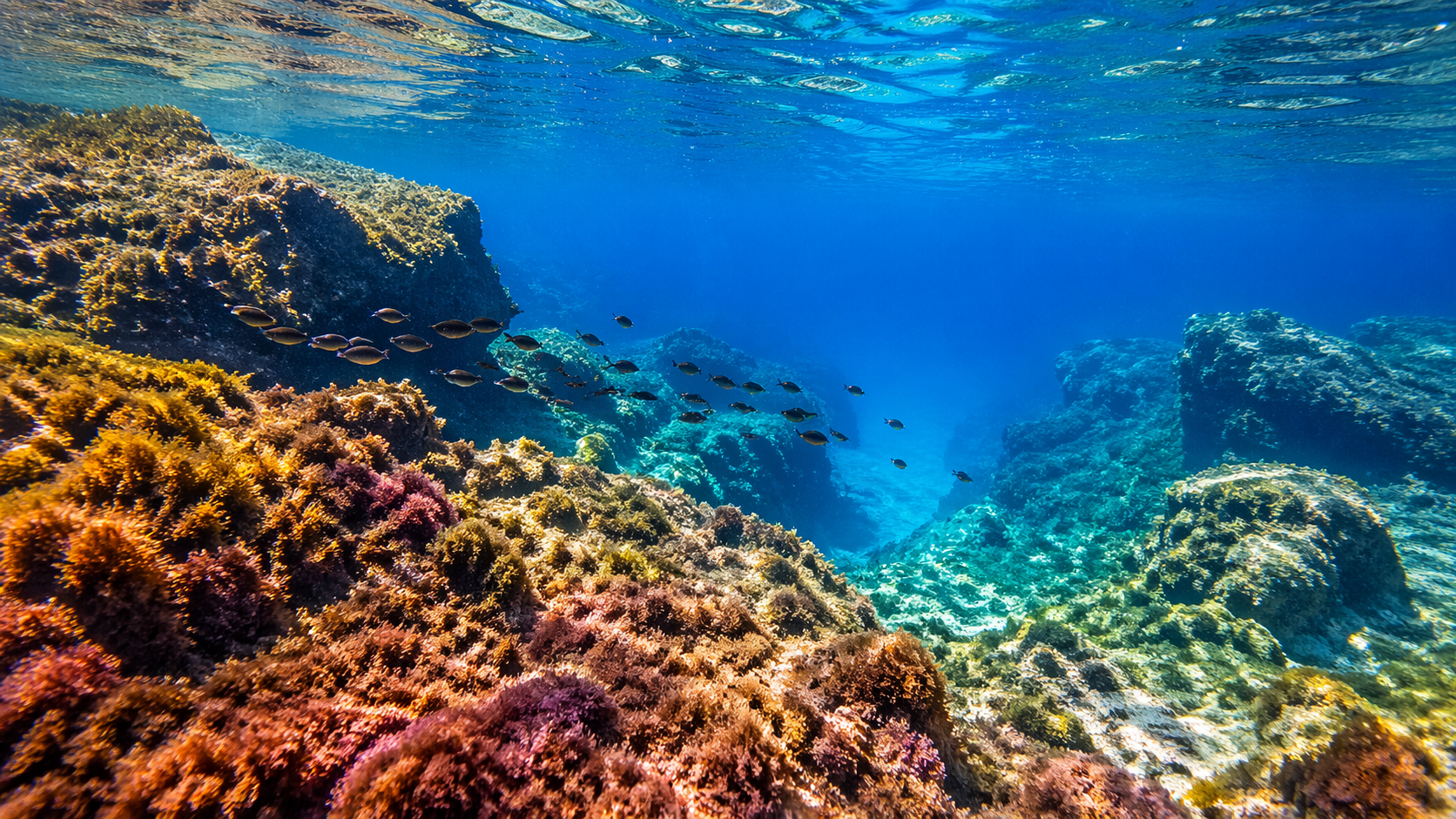
Gibraltar is not a mainstream dive destination, and that works in your favour. The lack of crowds means pristine dive sites, uncrowded waters, and a genuinely wild marine environment shaped by the mixing of Atlantic and Mediterranean water masses. If you dive or snorkel, Gibraltar belongs on your list.
Quick Summary
- Water visibility: 10-20m in summer, less in winter and after bad weather
- Water temperature: 14-16°C winter, 22-24°C late summer
- Marine life: Atlantic bluefin tuna, dolphins, octopus, moray eels, sea bream
- Several local PADI dive operators offer guided dives, courses and equipment hire
Why Dive in Gibraltar?
The Strait of Gibraltar is where two bodies of water meet: the Atlantic pushing east along the surface and the denser, saltier Mediterranean flowing west along the bottom. This creates upwellings and nutrient flows that support extraordinary marine diversity. The result is a Gibraltar dive experience that is genuinely different from anything else in the Mediterranean.
Add to this the historical dimension: hundreds of years of maritime traffic through one of the world's most contested straits, leaving a seabed scattered with ancient anchors, amphora fragments, and more modern wrecks. Gibraltar diving offers both biology and history in the same dive.
Best Dive Sites Around Gibraltar
| Site | Type | Depth | Highlights |
|---|---|---|---|
| Coaling Jetty | Shore dive / wreck area | 5-20m | Old infrastructure, moray eels, octopus, sea life on metal structures |
| Eastern Beach | Snorkel / shallow dive | 2-8m | Sandy bottom, sea bream, beginners and snorkellers |
| North Mole | Wall dive | 5-25m | Colourful marine growth, fan corals, good visibility on calm days |
| Sandy Bay | Shore dive | 2-15m | Accessible, varied bottom, good for macro photography |
| Straits drift dives | Drift dive (advanced) | Variable | Atlantic pelagics, occasionally tuna, strong current experience required |
Marine Life You Can Expect to See
Gibraltar's unique Atlantic-Mediterranean mixing zone creates conditions that attract both Mediterranean residents and Atlantic visitors:
- Common dolphins -- frequently seen on the surface and occasionally underwater near the Strait. The Bay of Gibraltar has a resident pod.
- Octopus -- abundant in rocky areas around the Rock. You will almost certainly see at least one on any dive.
- Moray eels -- large morays live in the nooks of old jetties and rock faces.
- Sea bream, mullet and wrasse -- common reef fish found on most dives.
- Atlantic bluefin tuna -- occasionally seen during migration periods, particularly autumn. Not guaranteed but worth hoping for.
If you dive the Strait, you may experience something unusual: different current directions at different depths. Atlantic surface water flows east; denser Mediterranean water flows west along the bottom. On slack current windows, this creates a dive environment unlike anything in standard Mediterranean sites.
Snorkelling in Gibraltar: The Easy Option
You do not need a dive certification to explore Gibraltar's marine environment. Several spots offer great snorkelling:
- Eastern Beach -- the most accessible snorkel site, with sand and rock habitat and good shallow marine life
- Catalan Bay -- the village beach on the east side, calmer conditions, good for beginners
- Sandy Bay -- less crowded, rocky entry, diverse marine life in the shallows
Water shoes are recommended for rocky entry points. Gibraltar's water is generally clearer in summer when Atlantic swells die down. Visibility can drop significantly after westerly storms.
Dive Operators in Gibraltar
Several PADI-accredited operators are based at Marina Bay and Ocean Village. They offer:
- Try dive sessions for complete beginners (no certification needed)
- PADI Open Water and advanced courses
- Equipment hire
- Guided dive trips to the best local sites
Prices for a guided dive including equipment typically run £50-80. Try dives for beginners are usually £60-90 including full instruction and equipment.
Best Time of Year to Dive in Gibraltar
| Season | Water Temp | Visibility | Notes |
|---|---|---|---|
| June-September | 20-24°C | 10-20m (best) | Peak season, clearest water, most marine activity |
| April-May | 16-19°C | 8-15m | Improving conditions, fewer crowds |
| October-November | 19-22°C | 8-15m | Good conditions, tuna migration period |
| December-March | 14-16°C | 5-10m | Wetsuit required, reduced visibility from Atlantic weather |
The Bottom Line
Gibraltar is a genuinely underrated dive destination. The marine biology is exceptional, the historical dimension is unique, and the lack of tourist crowds means the sites feel wild and real. Summer is the best time for beginners and photographers. Experienced divers will find Gibraltar's drift potential and historical wrecks a compelling reason to visit any time of year.
Frequently Asked Questions
Do I need a dive qualification to dive in Gibraltar?
To dive independently or on guided dives, a recognised certification (PADI, BSAC or equivalent) is required. Try dives with a qualified instructor are available without prior certification. Snorkelling requires no certification.
Is the water cold for diving in Gibraltar?
Water temperatures range from 14-16°C in winter to 22-24°C in late summer. A 5mm wetsuit is recommended year-round. In summer, a 3mm suit is sufficient for most divers. In winter, a semi-dry or dry suit is worth considering for comfort on longer dives.
Can you see dolphins while diving in Gibraltar?
Common dolphins are frequently seen from the surface in Gibraltar's bay and strait, and occasionally encountered underwater. They are wild animals so sightings cannot be guaranteed, but the resident population in Gibraltar's waters is one of the larger ones in the western Mediterranean.
Are there any shark species in Gibraltar waters?
Yes, though encounters are rare for recreational divers. Blue sharks and occasionally mako sharks pass through the Strait during migration. Smallspotted catsharks are common on the seabed around Gibraltar's rocky areas. None are considered a threat to divers.